PSC-dedicated Solar Simulator for Perovskite Solar Cell Research
The XES-50S3-PSC is a xenon solar simulator designed for perovskite solar cell research.
Perovskite solar cells can be sensitive to irradiance intensity, spectral distribution, thermal influence, and measurement history.
For this reason, a solar simulator for PSC research should provide not only AM1.5G-based illumination, but also stable irradiance, low-irradiance performance, reduced thermal influence, and good repeatability after shutter operation.
The XES-50S3-PSC is designed to provide a reproducible measurement environment for small-area PSC samples.
1. Product Overview
The XES-50S3-PSC is a compact solar simulator configuration optimized for small-area perovskite solar cell research.
It is based on SAN-EI’s xenon solar simulator technology and is configured for stable AM1.5G-based illumination, low-irradiance testing, and repeated measurements using shutter operation.
This system is intended for research applications where stable and reproducible illumination conditions are required.
Main application examples include:
- Perovskite solar cell research
- Small-area photovoltaic device evaluation
- Light-intensity dependence studies
- Repeated illumination tests using shutter operation
- Evaluation where reduced sample heating is important
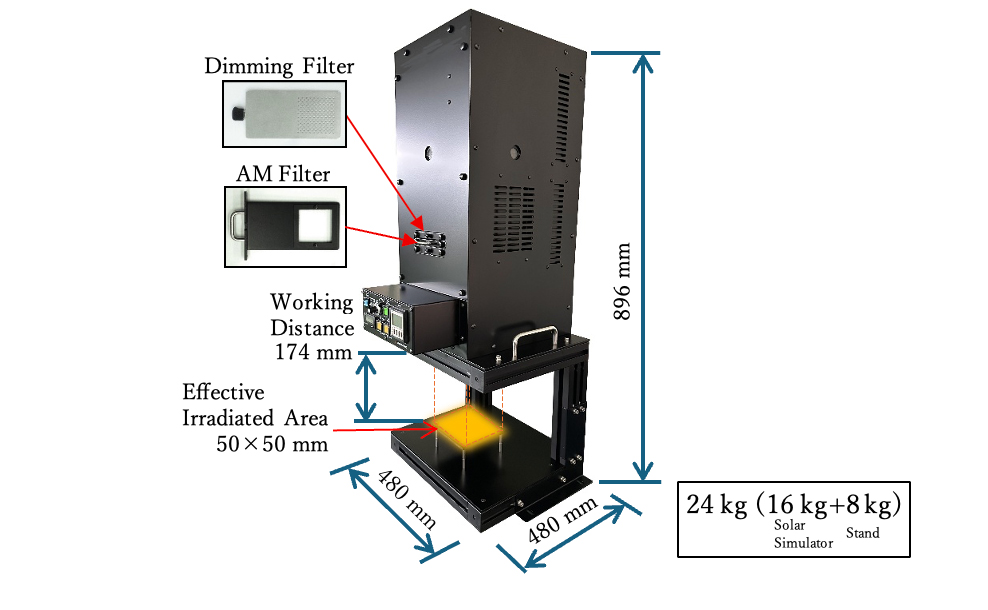
Figure 1. Product appearance and optical configuration of XES-50S3-PSC.
2. Key Features
2.1 Wide irradiance adjustment range
The XES-50S3-PSC supports a wide irradiance adjustment range for PSC research.
Key performance targets include:
- Irradiance adjustment range: 0.1–1.2 sun
- Maximum initial irradiance capability: ≥1.4 sun
- Estimated duration for maintaining 1 sun irradiance: ≥3000 hours
- Continuous control from high to low irradiance
- Stable adjustment for repeated measurements
This wide irradiance control is useful for evaluating light-intensity dependence and device behavior under different illumination levels.
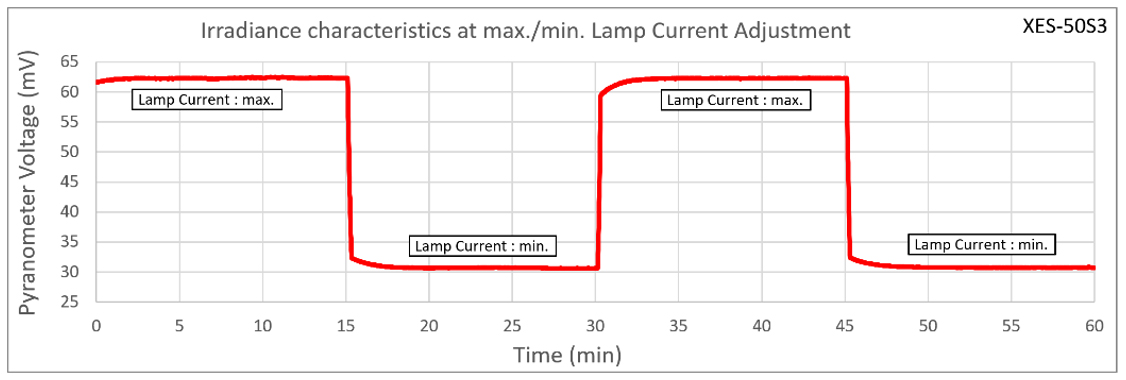
Figure 2. Irradiance adjustment behavior from high to low irradiance.
2.2 High stability in thce low irradiance region
Low-irradiance stability is an important requirement for PSC research.
The XES-50S3-PSC has been evaluated not only at 1 sun, but also in the low irradiance region. In one measurement example, the system was evaluated at approximately 0.06 sun, using the lowest transmission filter and minimum lamp current.
Measured example:
- Irradiance: approx. 59 W/m²
- Equivalent irradiance: approx. 0.06 sun
- Measurement duration: 24-hour continuous measurement and 6-hour intermittent measurement
- High intrinsic light source stability was confirmed under the defined measurement conditions.
The 24-hour measurement may include the influence of pyranometer temperature characteristics.
Therefore, SAN-EI evaluates long-duration data together with temperature information and intermittent measurement results.
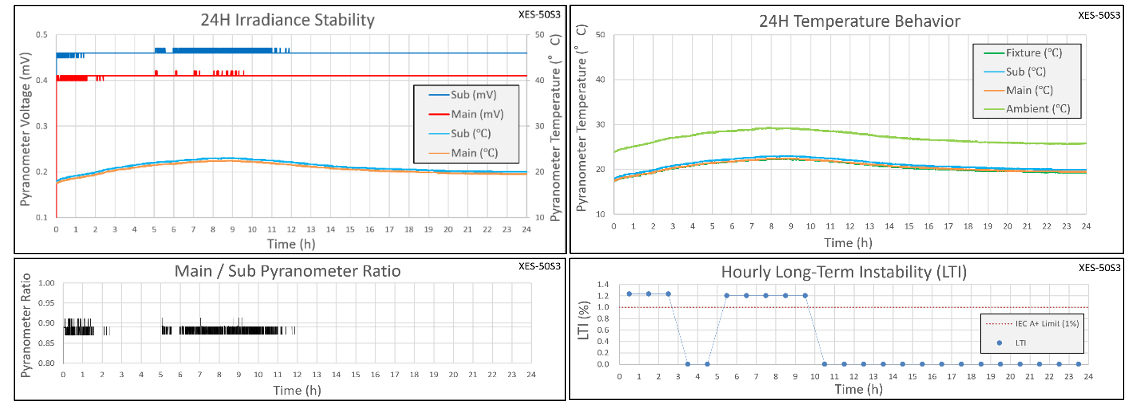
Figure 3. Low-irradiance stability measurement.
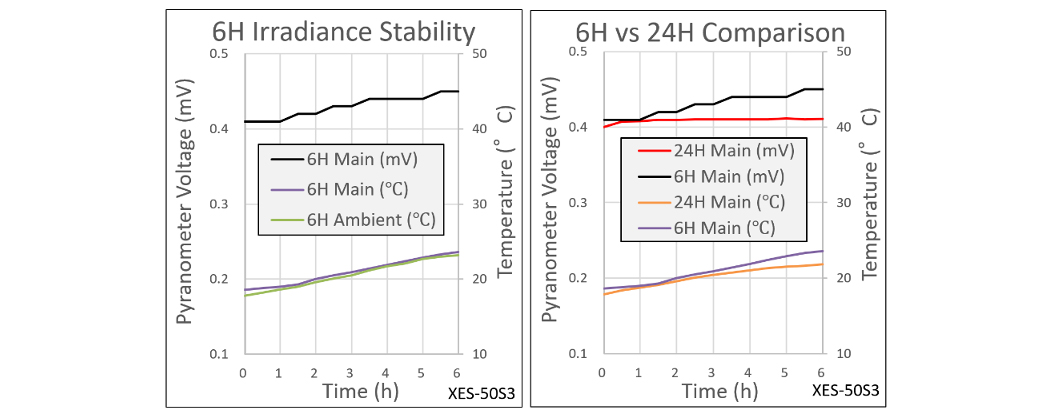
Figure 4. 24-hour and 6-hour comparison for low-irradiance evaluation.
2.3 Spectral options for PSC research
The XES-50S3-PSC can be configured with different filter options according to the research purpose.
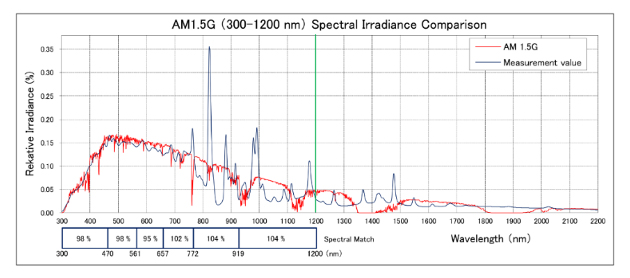
Standard Type
- Wavelength range: 300–1200 nm
- Spectral match: within ±12.5%
- Class:IEC Class A+
- Suitable for general AM1.5G-based photovoltaic evaluation
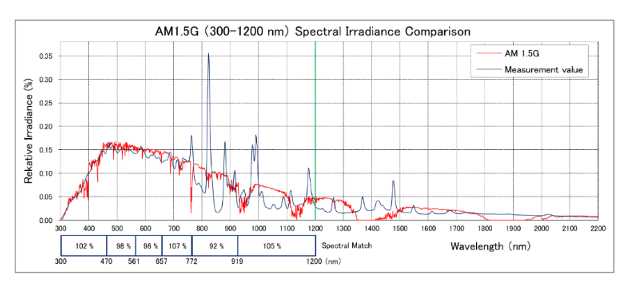
High Spectral Match Type — Option A
- Wavelength range: 300–1200 nm
- Spectral match: within ±7.5%
- Class:SAN-EI Class A+
- Suitable for applications requiring higher spectral fidelity than IEC Class A+
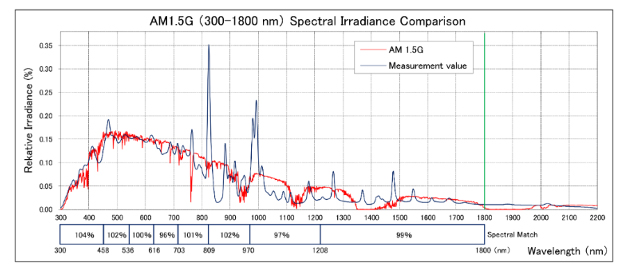
Extended Wavelength Type — Option B
- Wavelength range: 300–1800 nm
- Spectral match: within ±12.5%
- Class:SAN-EI Class S+
- Suitable for broadband material and device evaluation
Extended Wavelength + High Fidelity Type — Option C
- Wavelength range: 300–1800 nm
- Spectral match: within ±7.5%
- Class:SAN-EI Class S+
- Suitable for applications requiring extended wavelength coverage and higher spectral fidelity
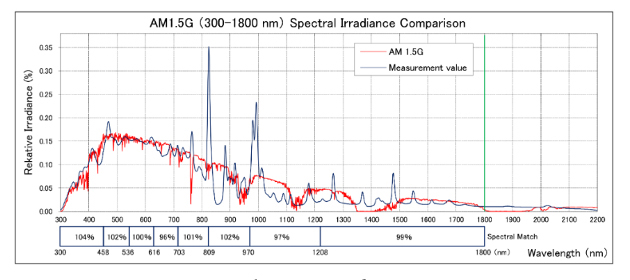
Figure 5. Spectral options for XES-50S3-PSC.
Low Thermal Load Type — Option D
- Status: under development
- Target wavelength concept: 300–700 nm within ±12.5%
- Above 700 nm: intended spectral attenuation
- Purpose: intended to reduce infrared components and sample heating
Option D is currently under development. Final specifications will be determined based on measured spectral performance, irradiance transmission, thermal behavior, and practical evaluation results.
| Filter type | Wavelength range | Spectral match | Class | Intended application |
|---|---|---|---|---|
| Standard Type | 300–1200 nm | within ±12.5% | IEC Class A+ | General AM1.5G evaluation |
| Option A | within ±7.5% | SAN-EI Class A++ | Higher spectral fidelity | |
| Option B | 300–1800 nm | within ±12.5% | SAN-EI Class S+ | Broadband evaluation |
| Option C | within ±7.5% | SAN-EI Class S++ | Extended + high fidelity | |
| Option D | 300–700 nm concept | under development | under development | Low thermal load concept |
Table 1. Filter options and intended applications.
2.4 Shutter repeatability
Many PSC measurements require repeated illumination and dark periods. Therefore, stable irradiance after shutter operation is important.
The XES-50S3-PSC has been evaluated for irradiance behavior after shutter opening and closing.
Measurement examples show:
- Irradiance variation after shutter operation: within ±1%
- Effect of shutter closed duration from 1 minute to 1 hour: negligible for practical operation
- Stable irradiance reproducibility in repeated measurements
Immediately after shutter opening, small apparent changes may include the temperature response of the pyranometer. These changes should not be interpreted only as intrinsic fluctuation of the light source.
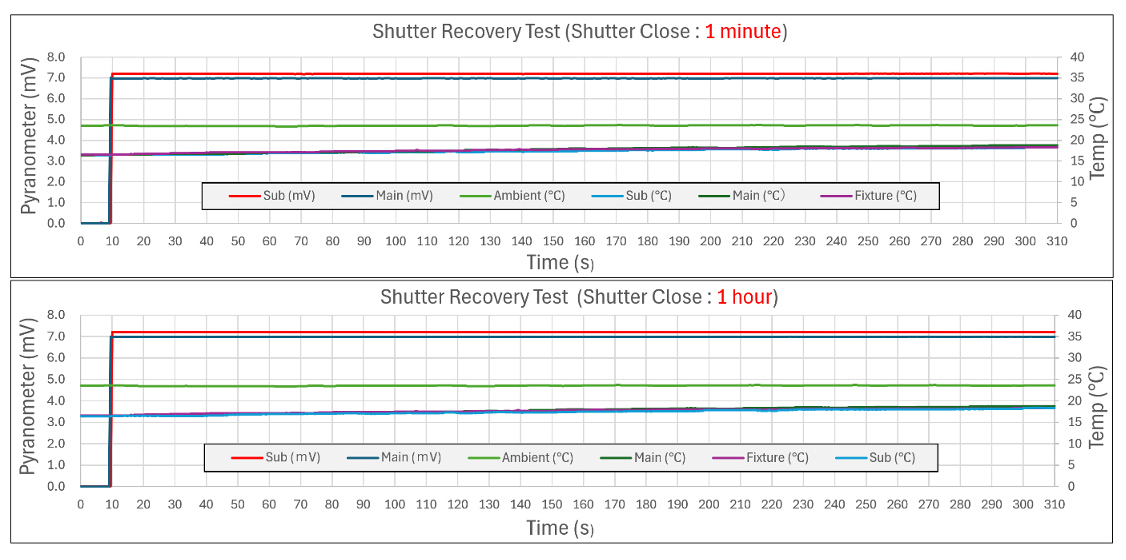
Figure 6. Irradiance behavior after shutter operation.
2.5 Measurement-based performance verification
SAN-EI evaluates the XES-50S3-PSC using measured data under defined measurement conditions.
The following evaluations are used:
- 24-hour continuous measurement
- 6-hour intermittent measurement
- Shutter recovery test
- STI / LTI evaluation
- Spectral irradiance measurement
- Spatial non-uniformity measurement
- Working distance characteristics
This measurement-based approach helps explain the actual behavior of the system, including the influence of detector temperature and measurement conditions.
3. Main Specifications
| Item | Specification |
|---|---|
| Model | XES-50S3-PSC |
| Light source | 150 W Xenon lamp |
| Reference spectrum | AM1.5G |
| Effective irradiated area | 50 × 50 mm |
| Working distance | 174 mm |
| Irradiance adjustment range | 0.1–1.2 sun |
| Maximum initial irradiance capability | ≥1.4 sun |
| Estimated duration for maintaining 1 sun irradiance | ≥3000 hours |
| Standard spectral range | 300–1200 nm |
| Standard spectral match | IEC Class A+ |
| Spatial non-uniformity | See measured data |
| Warm-up time | approx. 30 minutes |
| Input voltage * specified at order | 100–120 VAC or 200–240 VAC |
| Frequency | 50/60 Hz |
| Power consumption | 240 W max. |
| Environmental temperature | 20–30°C |
| Humidity | 20–85% RH, no condensation |
Note: The values shown above are based on the current configuration and defined measurement conditions. Specifications may vary depending on configuration and operating conditions.
4. Performance Data
4.1 Irradiance stability
The XES-50S3-PSC is evaluated for irradiance stability at 1 sun and in the low irradiance region.
Specification targets:
- STI: ≤0.25%
- LTI: within ±1% for 1-hour evaluation
- Long-term drift: evaluated under defined measurement conditions
Measured example:
- STI: 0.10%
- LTI: 0.35%
The measured values are examples obtained under defined measurement conditions. They do not represent guaranteed values for all configurations or environments.
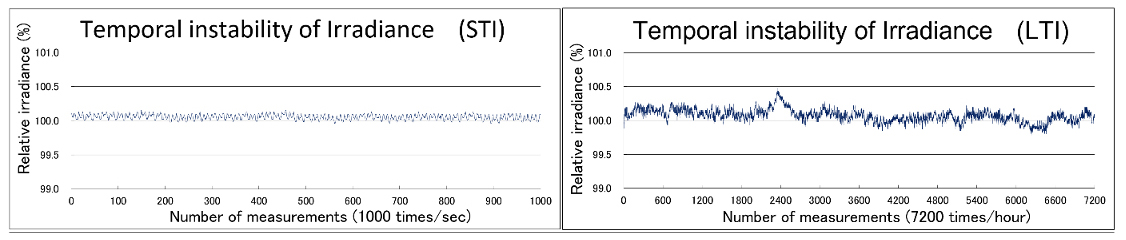
Figure 7. STI and LTI evaluation.
4.2 Basic performance evaluation at 1 sun
The basic performance of the system is evaluated under 1 sun conditions.
Evaluation items include:
- 24-hour continuous measurement
- 6-hour intermittent measurement
- Shutter recovery test
- STI / LTI evaluation
These measurements are used to evaluate both practical stability and the influence of measurement conditions.
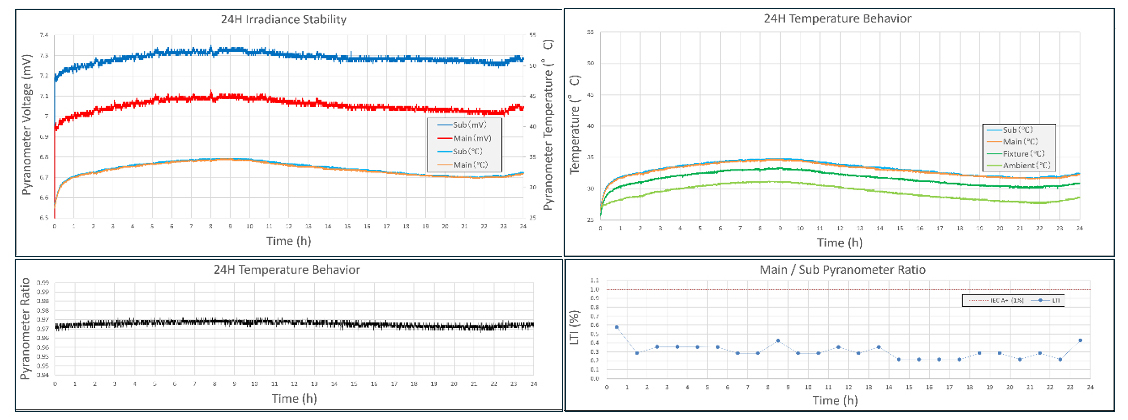
Figure 8. 24-hour continuous measurement at 1 sun.
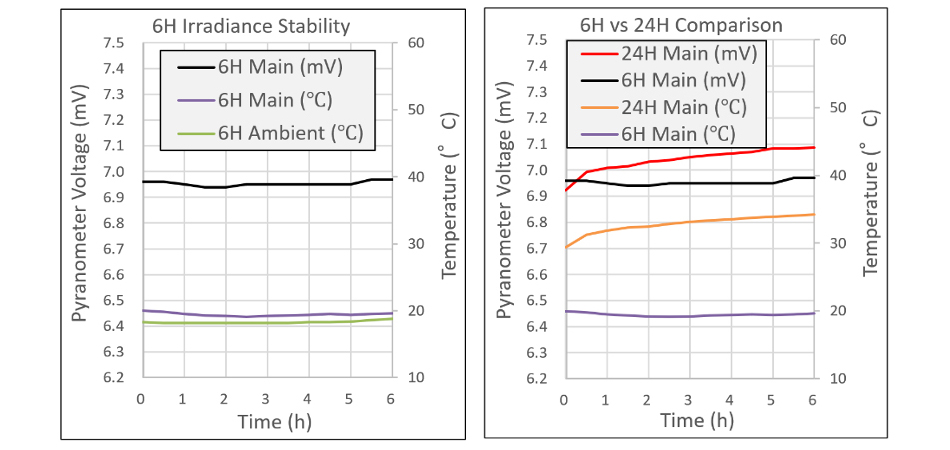
Figure 9. 6-hour intermittent measurement at 1 sun.
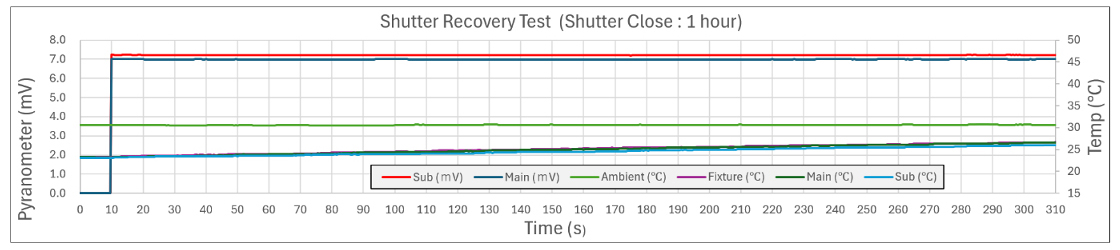
Figure 10. Shutter recovery test.
4.3 Low-irradiance stability evaluation at approximately 0.06 sun
Although the standard adjustable range is specified as 0.1–1.2 sun, this measurement example was conducted at approximately 0.06 sun using the lowest transmission filter and minimum lamp current.
Measurement conditions:
- Irradiance: approx. 59 W/m²
- Equivalent irradiance: approx. 0.06 sun
- Measurement duration: 24-hour continuous and 6-hour intermittent measurements
Results:
- 24-hour variation correlates with pyranometer temperature
- 6-hour intermittent measurement confirms intrinsic light source stability
- LTI in the stable region is negligible within the measurement resolution
Conclusion:
The system demonstrates high intrinsic stability in the low irradiance region under the defined measurement conditions.
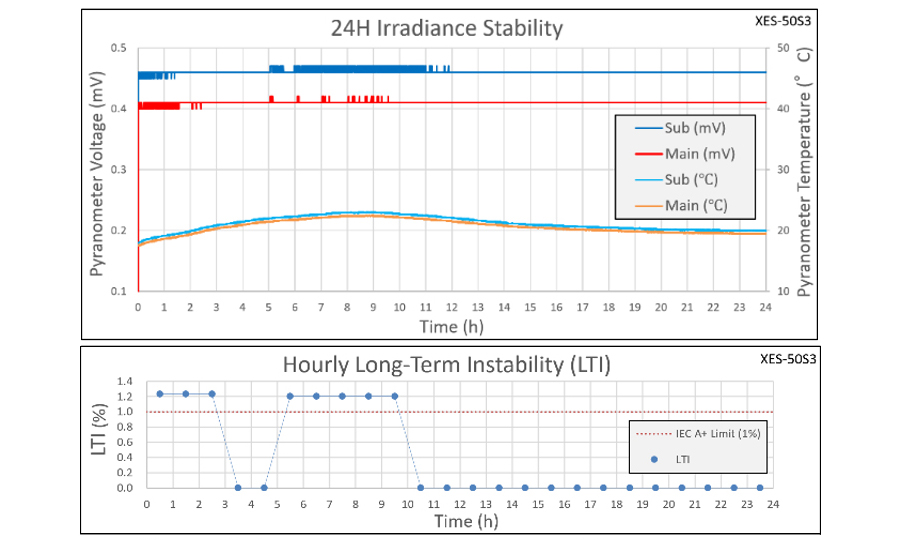
Figure 11. Low-irradiance 24-hour stability measurement.
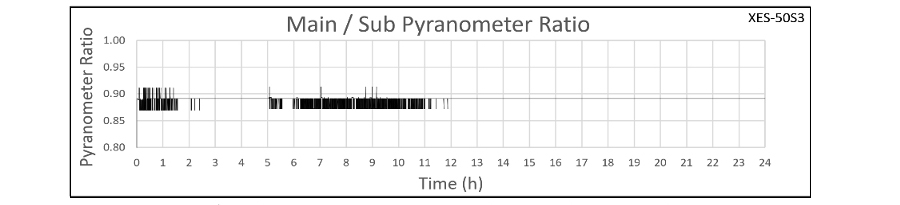
Figure 12. Main / sub pyranometer ratio during low-irradiance measurement.
4.4 Working distance characteristics
The irradiance and spatial non-uniformity change depending on working distance.
Measured examples show that irradiance decreases as working distance increases. Spatial non-uniformity is maintained within 2% under the measured conditions without a dimming filter.
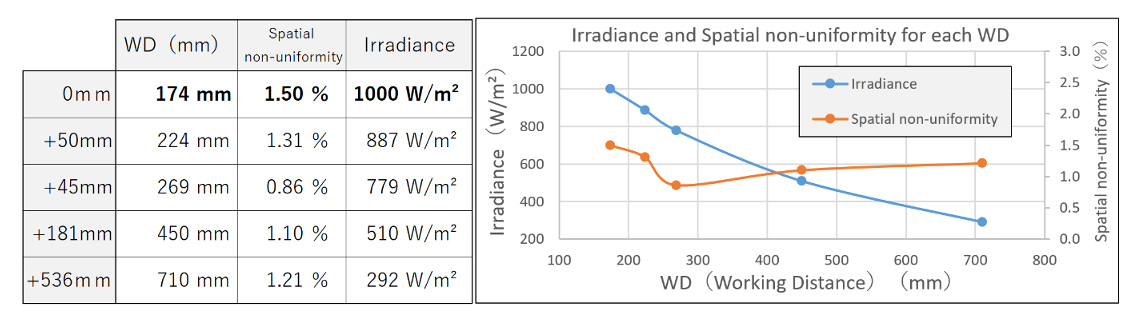
Table 3. Working distance, spatial non-uniformity, and irradiance.
Figure 13. Irradiance and spatial non-uniformity as a function of working distance.
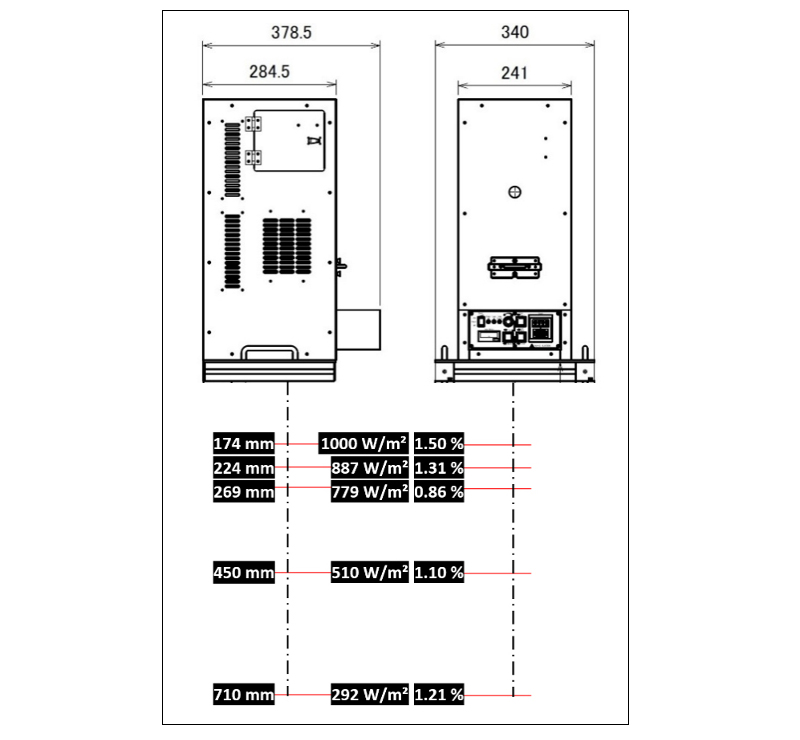
Figure 14. Working distance positions and measured irradiance examples.
5. Design Concept for PSC Research
The XES-50S3-PSC is designed to address the following practical requirements in PSC research:
- Instability in the low irradiance region
- Thermal effects caused by irradiation
- Hysteresis and light-induced behavior
- Repeated illumination and dark periods
- Separation of measurement system effects and light source behavior
Maintaining stable performance below 0.1 sun is one of the design requirements for this system.
The purpose of this product is not only to meet standard solar simulator classifications, but also to support practical and reproducible PSC measurements.
6. Difference from Standard Solar Simulators
A standard IEC-based solar simulator is mainly designed for standardized evaluation of conventional solar cells, especially around 1 sun.
The XES-50S3-PSC is designed for PSC research, where additional practical factors are important, such as low-irradiance stability, thermal influence, shutter repeatability, and measurement-condition transparency.
| Item | IEC-Based Solar Simulator | PSC-Dedicated Solar Simulator |
|---|---|---|
| Primary Purpose | Standardized evaluation of silicon and conventional solar cells | Evaluation of perovskite solar cells under realistic and stress-sensitive conditions |
| Applicable Standards | IEC 60904 series, ASTM standards (AM1.5G) | No widely established international standard (currently application-driven) |
| Spectral Range | Typically 300–1200 nm (IEC A/A+/AAA classification range) | Extended range (e.g., 300–1800 nm or beyond) depending on device sensitivity |
| Spectral Match Accuracy | IEC classification (A, A+, AAA) | Higher or customized accuracy (e.g., ±7.5% or application-specific tuning) |
| Infrared (IR) Handling | Not specifically optimized; IR included as part of spectrum | IR reduction or control emphasized (low-heat filters, thermal management) |
| Irradiance Level | Fixed at 1 sun (1000 W/m²) | Wide range (e.g., 0.1–1.2 sun or lower) for sensitivity and degradation studies |
| Stability Requirement | IEC temporal instability classes (A+, A, etc.) | High stability required especially at low irradiance (e.g., STI ≤0.25%) |
| Measurement Focus | Compliance verification (spectral match, uniformity, stability) | Device behavior analysis (low-light performance, transient response, degradation) |
| Thermal Consideration | Limited (not a primary design factor) | Critical (device degradation strongly affected by heat) |
| Shutter Operation | Secondary importance | Important (frequent ON/OFF cycles, recovery behavior must be stable) |
| Low Irradiance Performance | Not specified / not critical | Essential (stable operation at very low irradiance required) |
| Uniformity Requirement | IEC spatial non-uniformity (≤2% typical) | May allow relaxed uniformity depending on research priority |
| Light Source Design | Optimized for standard compliance | Optimized for controllability, stability, and thermal suppression |
| Filter Design | Standard AM filters (AM1.5G / AM0) | Multiple customized filters (e.g., low-heat, extended IR, PSC-specific tuning) |
| Evaluation Methodology | Defined by IEC (standard test procedures) | Combination of IEC + additional methods (24H, 6H, shutter recovery tests) |
| Data Interpretation | Pass/Fail classification (AAA, etc.) | Continuous analysis (drift, thermal effects, operational behavior) |
| System Philosophy | Standardization and comparability | Application-driven optimization and transparency of real behavior |
Table 4. Comparison between IEC-based solar simulator and PSC-dedicated solar simulator.
This comparison is provided to explain the design philosophy and application differences. It does not define product specifications.
7. Safety and Operation
The XES-50S3-PSC includes safety and operating functions for laboratory use.
Safety functions include:
- Cooling fan automatically stops approximately 20 minutes after lamp shutdown
- Lamp cannot be turned on if the lamp access cover is not fully closed
- Lamp automatically turns off if the cover is opened during operation
- Lamp shuts down if abnormal overheating is detected
- Lamp operating time is displayed for maintenance reference
Operating features include:
- Warm-up time: approx. 30 minutes
- Stable irradiance switching from high to low and low to high
- Rapid stabilization after shutter operation
- Multiple shutter operation types available depending on configuration
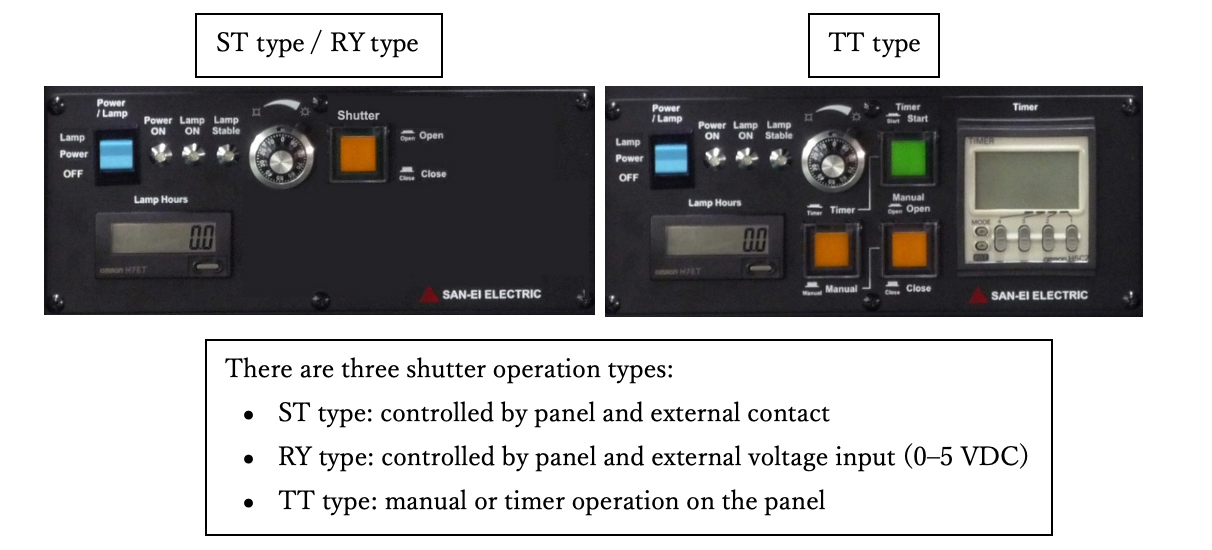
Figure 15. Control panel and shutter operation types.
8. Notes
- This product is evaluated based on SAN-EI’s internal measurement method, SAN-EI 2025-04.
- The data shown on this page are representative measured examples under defined conditions.
- Values may vary depending on configuration, measurement conditions, operating environment, and detector characteristics.
- The data are provided for technical reference and do not constitute guaranteed specifications unless explicitly stated.
- Specifications are subject to change without notice.
- Option D, the low-thermal-load filter concept, is currently under development.